I grew up lonely, with few friends, or so it felt. I was always a bit of an outcast, or so it felt. When I speak to others I grew up with, they may disagree, but those around you are not always aware of the intricacies of your life. It is interesting how these experiences impact our lives. This may be why I was willing to make myself vulnerable and hand over my heart expecting others to reciprocate. Unfortunately, it seemed few valued me as I did them. I learnt the hard way. For me, the fear of rejection and the heightened sensitivity is real.
I build things up in my mind. I create grandiose expectations in my mind of how things should play out. I play the situation on a loop, building it into something unattainable. I acknowledge that the expectations in my mind often exceed any reality. However, it does not mitigate the disappointment and hurt I experience when things do not play out as I imagine. I am slowly learning to create realistic expectations and view things from the perspective of others.
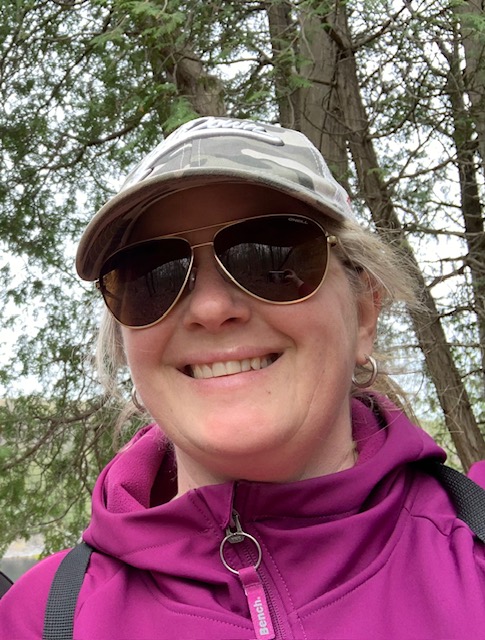
Rejection sensitivity dysphoria (RSD) is real. The struggle is real. I wear sunglasses all the time. I have been told it is because green eyes are the most sensitive. The sun in my eyes makes me feel nauseous. Yelling is my kryptonite. What is said does not matter; the volume causes a panicked visceral reaction, and I do not hear the words. The most gently worded constructive criticism or failure to elicit my expected response hurts my feelings. I recently connected my ADHD and RSD. I did not even know what RSD was before I started to research ADHD. Then I began to understand the quirks that come with it. Now I understand so many of my ADHD quirks and the fact that the sensitivity is not just emotional but also physical. The brightness of the sun and the loud or repetitive noises are all a part of it. Who knew?
This newfound knowledge about the disorder I live with came to me while conducting ADHD research for my graduate paper. I was surprised at how reading the literature triggered an emotional response to elements representative of my life experiences. The information was often a reflection that mirrored me and pushed me to reflect on myself. It helped me realize I was not alone in how I felt. It helped me understand the experiences and trauma of others with ADHD. Reading about the life experiences of others with ADHD that were comparable or contradictory to my own initially created anxiety and anger. I used these emotions to fuel my advocacy at the school board and share information at conferences to make changes for those impacted by ADHD. I am still fighting for change with my ADHD voice.
 Random Acts of ADHD: ADHD is not what you do but who you are
Leave a comment